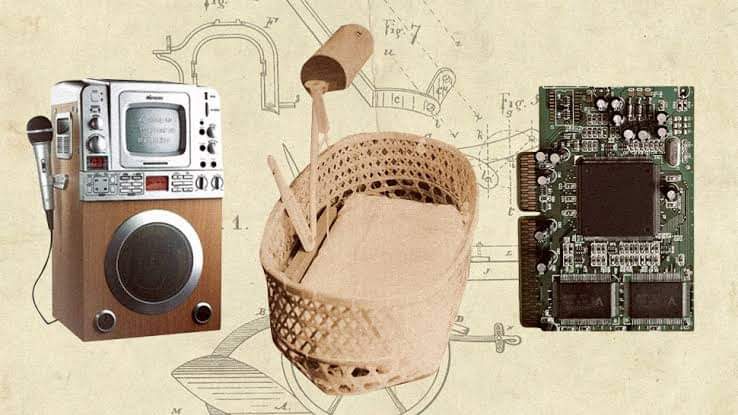
Premature newborns (those born before the mother’s 37th week of pregnancy) are undeveloped and have a low body fat content, making it difficult for them to maintain a normal body temperature. The contemporary medical incubator tackles this issue; nevertheless, not everyone who requires it has access to it. This is an especially critical issue in rural areas, where such gadgets are often unavailable. Fortunately, the first Filipino innovation on our list provided a solution: the bamboo incubator, which is commonly regarded as the brainchild of Dr. Fe del Mundo. This improvised gadget is reasonably affordable and simple to manufacture, making it perfect for usage in rural locations and areas without access to power. But creating this creative twist on a life-saving device is far from her sole achievement. Dr. del Mundo joined Harvard Medical School as a Research Fellow in Pediatrics in 1936.

STREPTOMYCES ERYTHRAEUS, the bacteria that would lead to the discovery of erythromycin, was discovered by Dr. Aguilar. Erythromycin is an antibiotic that is used to treat respiratory infections such as Legionnaire’s disease and diphtheria, as well as urinary tract infections and sexually transmitted illnesses like syphilis.
Dr. Aguilar worked at Eli Lily Co., a pharmaceutical firm based in the United States, at the time. The medicine was marketed under the brand name Ilosone, and the firm made billions of dollars from it. Regrettably, international patent restrictions prevented him from receiving a fair share of the benefits of his discoveries. At the age of 76, he died after a 40-year battle to get royalties from the medication he discovered.

Mangoes are grown in abundance in the Philippines. The country ranks eighth in the worldwide market with $91 million in exports in 2015. Ilocos, Central Luzon, and Western Visayas are among the top growers of this seasonal fruit in the Philippines. Mangoes only blossom during a specified time of the year, therefore “seasonal” is the crucial word here. Smudging – the use of smoke from burning things – was used by Filipinos for a long time to keep up with the demand for mangoes. National Scientist Ramon Barba, on the other hand, had a different perspective.
Barba thought smudging was time-consuming and costly. Furthermore, contaminants are released into the atmosphere as a result of the process. He recommended an alternative: the use of Etherel, a chemical spray (2-chloroethylphosphonic acid). His proposal was mocked and denied for trials until one day, Mr. and Mrs. Jose Quimson, his friends, agreed to let him run a trial with 400 mango trees. And, as they say, the rest is history.
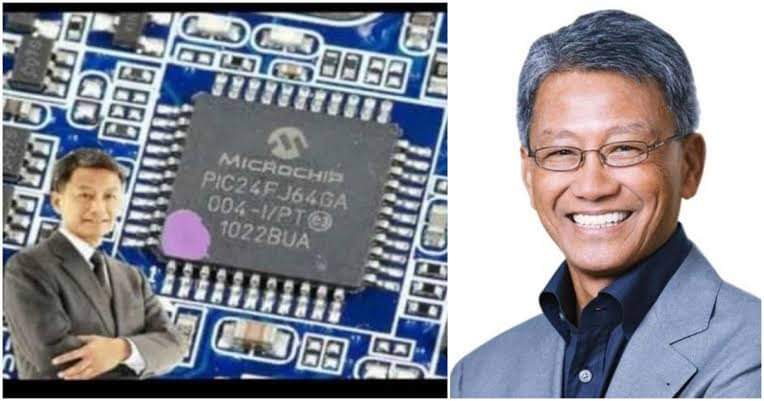
Companies used to focus less on shrinking the size of your device and more on getting the basics right: processing data and presenting it to the user in a usable format. That changed in the 1970s, when Diosdado Banatao, a Cagayan Valley native, created the first single-chip 16-bit microprocessor-based calculator. In 1981, he developed the world’s first system logic chip sets, which allowed all of a computer’s basic data processing functions to be integrated into a tiny package. He did not, however, stop there. Banatao finally developed the first personal computer graphics accelerator chip for Windows. He gained a lasting position in the history of PC development as a result of these discoveries.
Banatao is now the chairman of Inphi’s board of directors, a firm that specializes in innovative semiconductor and Silicon photonics solutions. He also established the Philippine Development Foundation (PhilDev), a non-profit organization dedicated to alleviating poverty via education, innovation, and entrepreneurship.

Chances are you may have heard of — or perhaps even tried — Challenge 21, a relatively new board game invented by, you guessed it, a Filipino. The mind behind this remarkable Filipino invention is Mr. Leonardo Meija Yu, a 68-year-old retired economics professor and Philippine Ports Authority officer.
The board game borrows and incorporates aspects from games such as tic-tac-toe, scrabble, bingo, chess, and (according to the creator himself) even basketball. The game, which can be played by up to 4 players, was designed to promote and develop abstract thinking, observation, and impromptu strategizing.
Mr. Yu has received recognition for his invention, including the TUKLAS Award at the National Invention Contest and Exhibit (NICE) in Pasay City.
 Science and Technology in the Philippines